
Organic Ylang Ylang
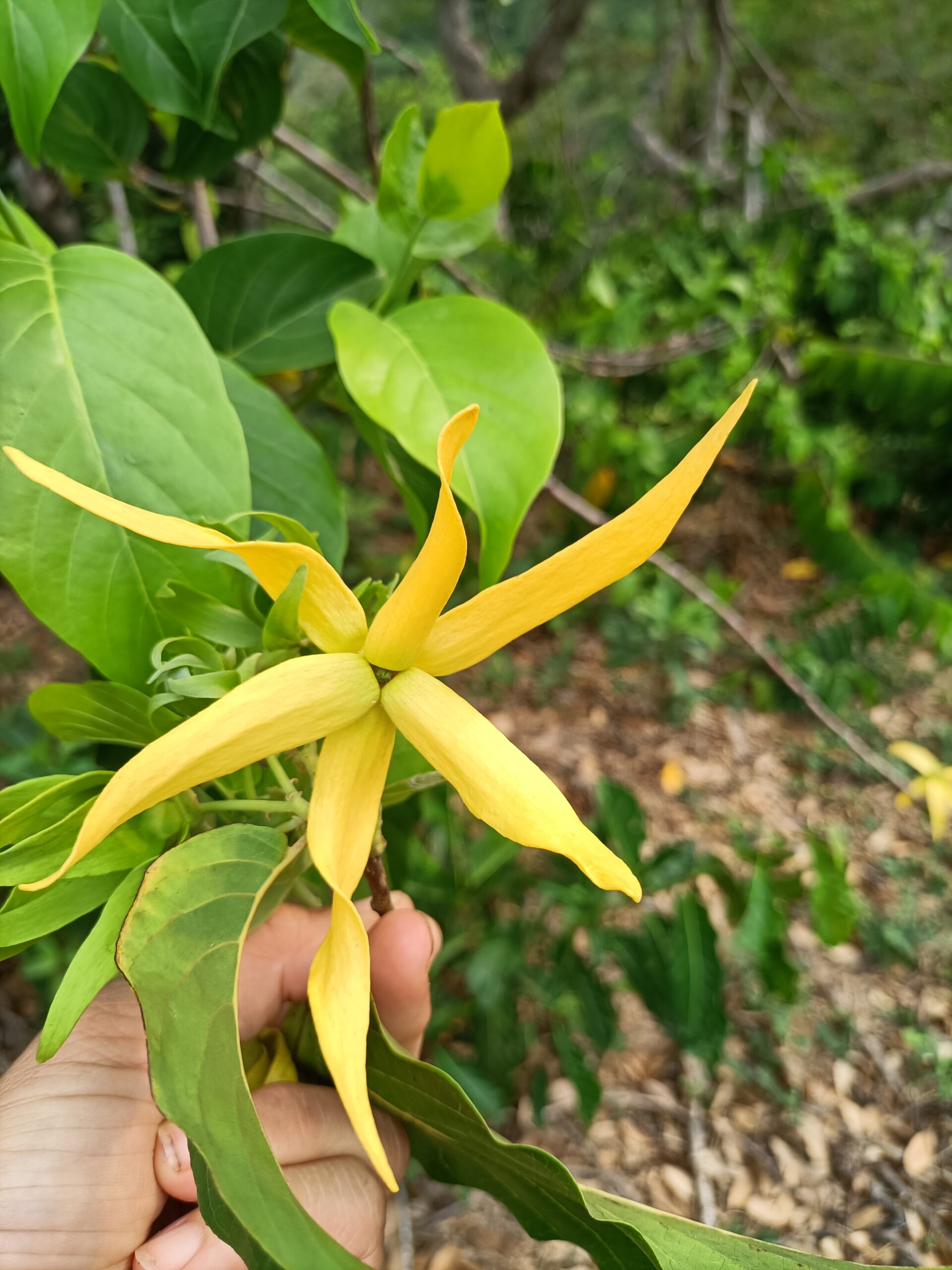
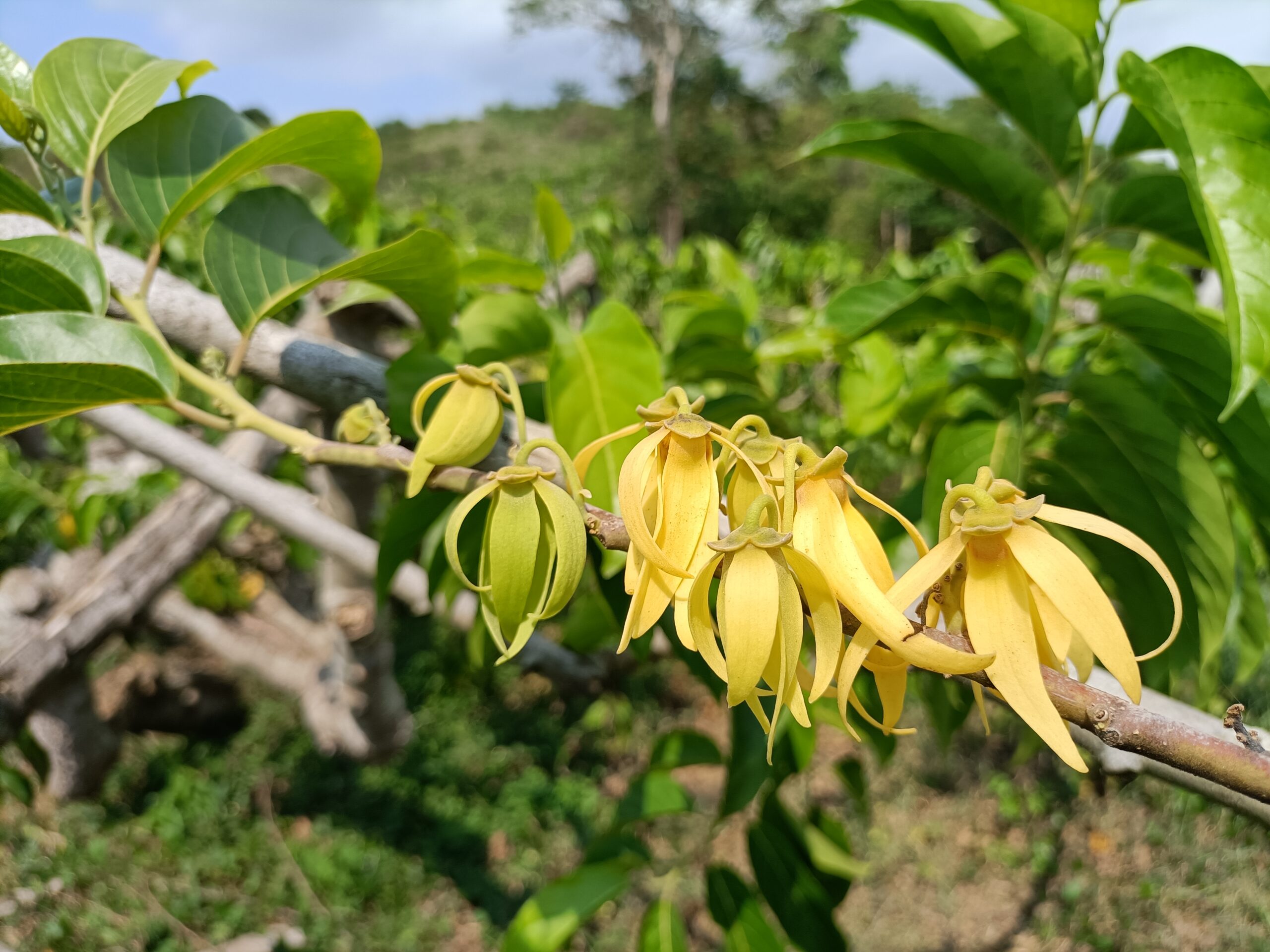
The island of Nosy Bé, in the Mozambique Channel to the east of the main island of Madagascar, is the main production area for ylang ylang flowers and the essential oil derived from this fragrant flower. On the 320km2 island, there are some 980 flower growers (ranging from a few plants to hundreds of hectares), 250 stills, producing between 65 and 80 tonnes of essential oil/year (Nosy Bé island + Ambanje).
Ylang Ylang essential oil is produced throughout the year, with peaks from March to May and December to January. The flower must be picked when fully ripe, i.e. fully open and a beautiful yellow color.
The distillation process takes a long time, between 18 and 24 hours at atmospheric pressure, and the essential oil is harvested gradually to separate the different fractions of this precious oil. The first fraction is "Ylang extra", followed by "Ylang 1ere", then "Ylang2ere " and finally "Ylang3ere ". The latter represents between 60% and 80% of the volume of essential oil produced during distillation.
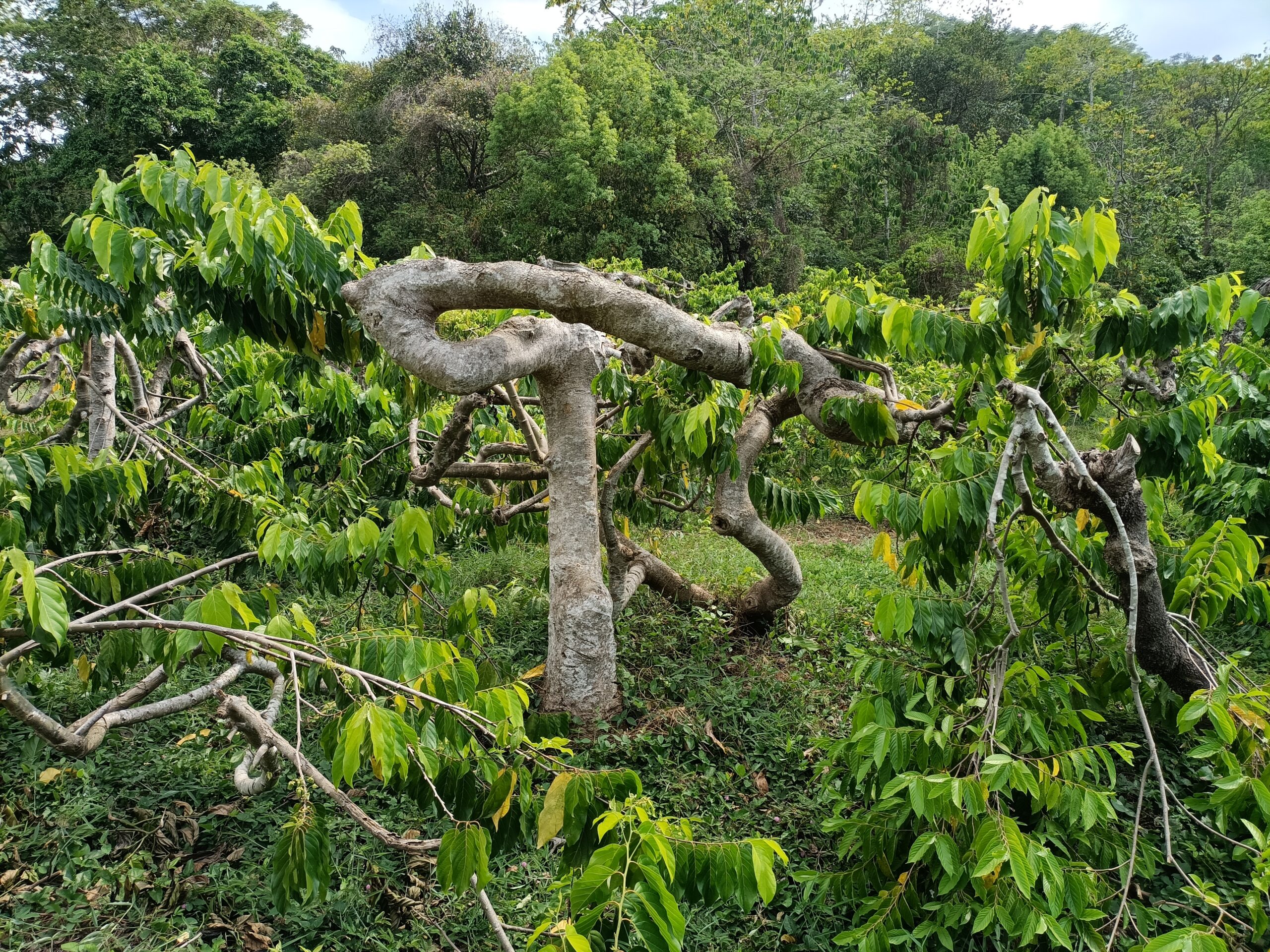
Nosy Bé stills use local firewood. The length of this distillation process is causing major deforestation problems on this small island. For decades, forests have been cut down to enable the distillation of Ylang Ylang, and Nosy Bé is considered to have a very high rate of deforestation. This deforestation has been accentuated in recent years by the increase in illegal charcoal production, using the mangroves around the island. This is a major environmental issue for Nosy Bé, and while the regulation of illegal charcoal production is complicated to implement, Ylang distillers have been regulated for several years to reduce their impact on deforestation. Acaciamangium is often used on these plots, as it is fast-growing, has good calorific value and recovers well after felling. The government has also introduced a reforestation tax: each exporter must pay 1.5% of the price of each kilo of Ylang Ylang essential oil exported.
Some companies have also developed fuel-wood-efficient distilleries, reducing fuel wood consumption by a factor of 9. Traditional distilleries use around 6m3 of wood for 1kg of essential oil, down to 0.36m3 for 1kg of essential oil, a drastic reduction in wood consumption. These initiatives are to be welcomed.
